Do You Need a Whirlybird? Roof Ventilation Guide for Northern Rivers Homes
Whirlybird roof ventilation helps remove trapped heat and moisture from your roof cavity, making it a practical option for Northern Rivers homes with metal roofing. But does every home need one? Understanding how whirlybirds work, their installation costs and their benefits in humid conditions can help you decide.
What Is a Whirlybird Roof Ventilator?
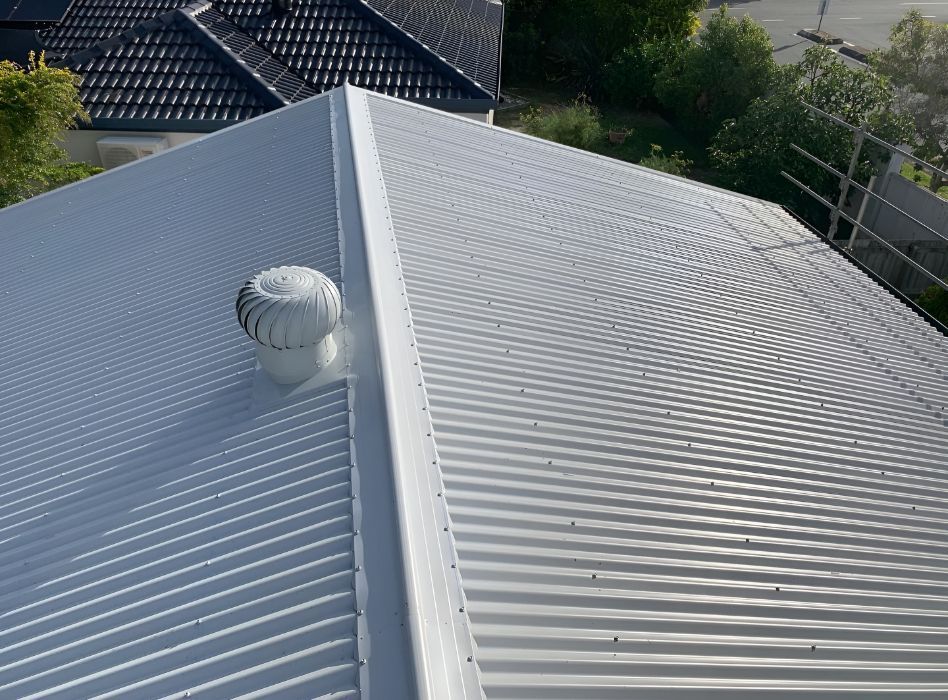
A whirlybird is a wind-driven roof ventilator that helps extract hot, humid air from the space beneath your roof. It features a rotating turbine installed on the roof surface that spins when the wind blows.
As the turbine rotates, it draws air out of the roof cavity. Replacement air enters through suitable intake vents, helping maintain airflow without electricity. Whirlybirds are a popular passive ventilation option for metal roofs because they're relatively simple, energy-efficient and require minimal maintenance.
What Does a Whirlybird Do?
A whirlybird helps reduce heat and moisture buildup inside your roof cavity by improving airflow.
During hot weather, sunlight heats metal roofing, transferring some of that heat into the roof space. Without adequate ventilation, warm air can accumulate beneath the roof. A whirlybird helps extract this trapped air, potentially reducing roof cavity temperatures and limiting heat transfer into your living areas.
It can also help manage humidity. When warm, moisture-laden air meets cooler surfaces, condensation may form. Improved airflow helps remove accumulated moisture, reducing the time damp conditions persist.
However, whirlybirds work best when sufficient replacement air can enter the roof cavity. They also won't fix existing leaks or replace properly installed insulation.
Why Is Roof Ventilation Important for Northern Rivers Homes?
The Northern Rivers experiences hot, humid summers and periods of heavy rainfall, making roof cavity ventilation particularly important. Unlike drier climates, where ventilation primarily addresses heat, Northern Rivers homes also need to manage moisture.
High humidity can contribute to condensation inside poorly ventilated roof spaces, potentially affecting insulation, timber framing and other roofing components. Effective ventilation encourages air movement and helps prevent warm, damp air from remaining trapped for extended periods.
Homeowners researching roof ventilation in Ballina should consider how their existing insulation, roof design and airflow work together before installing a whirlybird.
It's important to remember that outdoor air can also be humid. Ventilation works best as part of a complete roofing system that includes suitable insulation, sarking and condensation management.
How Are Whirlybirds Installed on Metal Roofing?
Installing a whirlybird on a metal roof requires careful planning to ensure effective ventilation and reliable weatherproofing.
Whirlybirds are generally positioned near the roof ridge, where warm air naturally accumulates. The ideal location depends on roof pitch, prevailing winds, structural supports and existing ventilation openings.
Proper positioning helps the ventilator extract warm air while allowing replacement air to enter through suitable intake vents.
How Is a Whirlybird Fitted to a Metal Roof?
Metal roofing features different rib heights and sheet profiles, so installers must select compatible flashing and mounting components.
According to industry best practice, installation involves:
- Assessing the roof: Checking the metal roof profile, pitch and suitable ventilator location.
- Preparing the opening: Cutting the required penetration without damaging structural components.
- Managing the sarking: Carefully detailing any membrane penetration to maintain moisture protection and drainage.
- Installing the flashing: Fitting a compatible base that accommodates the metal roof profile and directs rainwater away.
- Securing the ventilator: Fixing the whirlybird according to manufacturer requirements and checking its operation.
Correct flashing is particularly important in the Northern Rivers, where heavy rainfall and wind-driven rain can expose poorly sealed roof penetrations.
If you're planning metal roofing installation in Mullumbimby, discussing whirlybirds during the planning stage allows your installer to coordinate ventilation and weatherproofing.
How Much Does It Cost to Install a Whirlybird?
The cost of installing a whirlybird depends on the ventilator type, roof accessibility and installation requirements.
Several factors influence the final price:
- Ventilator quality: Materials, turbine size and corrosion resistance affect product costs.
- Roof pitch: Steeper roofs may require additional safety equipment and labour.
- Metal roof profile: Certain profiles need specialised flashing or mounting bases.
- Existing ventilation: Additional intake vents may be necessary for effective airflow.
- Installation timing: Adding whirlybirds during a metal roof replacement may be more efficient than arranging a separate installation.
For an accurate cost, request a quote from a local roofing professional who can assess your roof and recommend a suitable ventilation arrangement.
How Many Whirlybirds Does a Metal Roof Need?
The number of whirlybirds required depends on your roof cavity's size, layout and existing ventilation.
A larger roof doesn't automatically need more ventilators. The airflow capacity of each unit and the availability of intake ventilation are equally important. For example, a Northern Rivers home with a large, divided roof cavity may require a different ventilation arrangement from a smaller home with an open roof space.
A roofing professional can assess your roof and determine whether one whirlybird, multiple units or another ventilation solution would work best.
What Are the Signs Your Metal Roof Needs Better Ventilation?
Excessive roof cavity heat and persistent moisture can indicate inadequate ventilation.
Common warning signs include:
- Excessive heat accumulating beneath the roof during summer.
- Condensation on roofing components.
- Musty smells coming from the roof cavity.
- Damp insulation or roof framing.
- Visible mould or persistent moisture.
However, these symptoms don't always mean ventilation is the problem. Roof leaks, damaged flashing or insulation issues can produce similar signs. For example, damp insulation after heavy rainfall may indicate water entering through a damaged roof penetration rather than inadequate airflow.
Regular inspections help identify these problems early. Our seasonal maintenance guide for Northern Rivers homes offers practical advice for keeping your metal roof in good condition.
Should You Install a Whirlybird When Replacing Your Metal Roof?
Replacing your metal roof is an ideal opportunity to review its ventilation. Your roofing installer can assess airflow requirements alongside roof sheeting, insulation, sarking and flashing, ensuring the components work together.
Planning ventilation during installation can also reduce the need for additional roof penetrations later.
For Northern Rivers homeowners, this approach helps address both summer heat and moisture management while maintaining reliable weather protection.
Is Whirlybird Roof Ventilation Worth It for Northern Rivers Homes?
Whirlybird roof ventilation can be worthwhile if your metal roof experiences excessive heat or trapped humidity. However, its effectiveness depends on correct positioning, adequate intake airflow and professional installation.
The key is choosing a ventilation system that suits your roof, rather than simply adding a whirlybird. A properly designed system can support heat management, moisture control and long-term roof performance.
If you're considering ventilation upgrades or a new metal roof, Northern Rivers Metal Roofing can help you explore your options. Learn more about our metal roofing in the Northern Rivers or contact our team to discuss a suitable solution for your home.
Frequently Asked Questions
What is a whirlybird and how does it work?
A whirlybird is a wind-powered roof ventilator that uses a rotating turbine to extract warm, humid air from a roof cavity. It works without electricity and performs best when adequate intake ventilation is available.
Do whirlybirds actually cool your house?
Whirlybirds can reduce heat buildup in the roof cavity, potentially limiting heat transfer into living spaces. However, they don't directly cool rooms, and their effectiveness depends on roof design, insulation and wind conditions.
How much does it cost to install a whirlybird on a metal roof?
Installation costs vary depending on the ventilator, roof accessibility, pitch and flashing requirements. A professional roof assessment provides the most accurate quote.
Can a whirlybird stop condensation?
A whirlybird can help reduce moisture accumulation by improving airflow, but it cannot guarantee condensation prevention. Suitable insulation, sarking and moisture management remain important.
Can you install a whirlybird on an existing metal roof?
Yes, whirlybirds can often be retrofitted to existing metal roofs. Professional installation ensures the mounting base and flashing suit the roof profile and maintain weather protection.